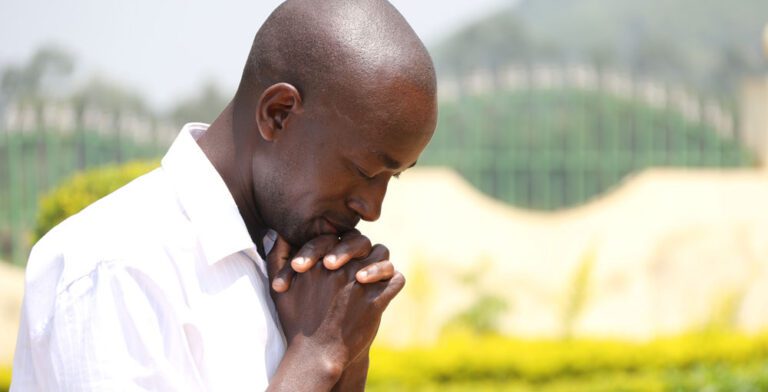
Prayer is one of the most powerful things a Christian can do — yet many believers feel unsure about how to pray, what to say, or whether God is really listening.
This guide walks you through exactly how to pray, step by step, with practical tips, Bible verses, and examples to help you build a confident, consistent prayer life.
Whether you’re praying for the first time or looking to go deeper with God, you’ll find everything you need right here.
Key Takeaways
- Prayer is simply an honest conversation with God — you don’t need special words or experience.
- Use the ACTS framework (Adoration, Confession, Thanksgiving, Supplication) to structure your prayers.
- The Lord’s Prayer (Matthew 6:9–13) is Jesus’ own model for how to pray — use it as a guide, not a script.
- Consistency matters more than duration. Start with five minutes a day and grow from there.
- Praying Scripture is one of the most powerful ways to align your prayers with God’s will.
- Don’t give up when answers seem slow — persevering prayer is biblical, and God is always at work.
How to Pray: Step by Step
Learning how to pray doesn’t require special words, formal training, or religious experience. Prayer is simply an honest conversation with God. Here is a simple, biblical framework you can use every time you pray:
Step 1: Choose a Time and Place
Find a quiet spot where you won’t be interrupted. Jesus regularly withdrew to lonely places to pray (Luke 5:16). It doesn’t need to be long — even five focused minutes beats an hour of distracted wandering.
Step 2: Open With Praise (Adoration)
Begin by acknowledging who God is — not what you want from Him. Thank Him for His goodness, power, and love. This shifts your focus off your problems and onto His greatness.
“Our Father in heaven, hallowed be your name.” — Matthew 6:9
Example: “Father, thank you that you are good, that you are present, and that you hear me when I call.”
Step 3: Confess Your Sins
Ask the Holy Spirit to reveal any sin in your heart, and bring it honestly before God. 1 John 1:9 promises that He is faithful to forgive when we confess.
Example: “Lord, I confess that I’ve been impatient and selfish this week. I’m sorry. Please forgive me and help me change.”
Step 4: Give Thanks
Gratitude is central to a healthy prayer life. Thank God for specific blessings — your health, your family, answered prayers, His Word.
“Give thanks in all circumstances; for this is the will of God in Christ Jesus for you.” — 1 Thessalonians 5:18
Step 5: Make Your Requests (Supplication)
Now bring your needs — and the needs of others — to God. Be specific. Pray boldly. Hebrews 4:16 tells us to approach God’s throne of grace with confidence.
“Do not be anxious about anything, but in every situation, by prayer and petition, with thanksgiving, present your requests to God.” — Philippians 4:6
Example: “Lord, please heal my friend Anna. Provide for our financial needs. Give me wisdom in this decision I’m facing.”
Step 6: Close in Jesus’ Name
Christians pray in Jesus’ name because He is the mediator between us and the Father (John 14:6). This isn’t a magic formula — it means praying in alignment with His character and will.
Example: “In Jesus’ name, amen.”
Tip: This ACTS framework (Adoration, Confession, Thanksgiving, Supplication) is one of the most popular and effective methods for structuring daily prayer.
Why Should We Pray?
Prayer is how we build an intimate relationship with God. He doesn’t just permit our prayers — He invites them. Prayer allows us to:
- Worship God for who He is.
- Confess sin and receive forgiveness through Jesus Christ.
- Thank God for His blessings, big and small.
- Ask for provision and intercede for others.
- Seek guidance and discern God’s will for our lives.
As we spend regular time with God in prayer, our faith grows, our perspective shifts, and we begin to see our lives through His eyes. The Holy Spirit also helps us when we don’t know what to pray for:
“Likewise the Spirit helps us in our weakness. For we do not know what to pray for as we ought, but the Spirit himself intercedes for us with groanings too deep for words.” — Romans 8:26
Without an active prayer life, our walk with God grows shallow. Prayer is the lifeline of the Christian faith.
What the Bible Says About Prayer
The Bible is filled with instruction and encouragement about prayer. Here are some of the most important Bible verses about prayer for beginners and experienced believers alike:
- Philippians 4:6 — “Do not be anxious about anything, but in every situation, by prayer and petition, with thanksgiving, present your requests to God.”
- 1 Thessalonians 5:17 — “Pray continually.”
- 1 John 5:14 — “This is the confidence we have in approaching God: that if we ask anything according to his will, he hears us.”
- Psalm 17:6 — “I call on you, my God, for you will answer me; turn your ear to me and hear my prayer.”
- Ephesians 6:18 — “And pray in the Spirit on all occasions with all kinds of prayers and requests.”
- James 5:16 — “The prayer of a righteous person is powerful and effective.”
- Matthew 7:7 — “Ask and it will be given to you; seek and you will find; knock and the door will be opened to you.”
These passages make one thing clear: God wants us to pray regularly, confidently, and persistently.
How to Pray the Lord’s Prayer
When the disciples asked Jesus to teach them how to pray, He gave them what we now call the Lord’s Prayer (Matthew 6:9–13). It remains the greatest model prayer in history — and it maps perfectly onto the step-by-step framework above.
“Our Father in heaven, hallowed be your name, your kingdom come, your will be done, on earth as it is in heaven. Give us today our daily bread. And forgive us our debts, as we also have forgiven our debtors. And lead us not into temptation, but deliver us from the evil one.” — Matthew 6:9–13
How to pray the Lord’s Prayer in your own words:
| Phrase | What it means | How to personalize it |
|---|---|---|
| “Our Father in heaven” | Acknowledge God as Father | Start with your own greeting to God |
| “Hallowed be your name” | Praise and worship | Name specific qualities you’re grateful for |
| “Your kingdom come” | Surrender to His will | Ask for His will in a specific situation |
| “Give us our daily bread” | Trust Him for daily needs | Ask for what you need today |
| “Forgive us our debts” | Confession | Name specific sins and ask for forgiveness |
| “Lead us not into temptation” | Protection | Ask for help in areas where you struggle |
You don’t need to recite the Lord’s Prayer word for word — use it as a roadmap to guide your own honest conversation with God.
How to Pray for Someone Else
Praying for others — called intercessory prayer — is one of the most loving things you can do. Here’s how to pray effectively for someone else:
- Ask them what they need. Don’t assume — ask the person what specific prayer support they want.
- Pray with them when possible. Jesus said, “Where two or three gather in my name, there am I with them” (Matthew 18:20).
- Be specific. Pray for their named need, not just vague blessing.
- Use Scripture. For example, Paul’s prayer in Ephesians 1:15–21 is a powerful template for praying God’s Word over someone.
- Follow up. Let them know you prayed and check back in — it deepens relationships and builds faith.
“Carry each other’s burdens, and in this way you will fulfill the law of Christ.” — Galatians 6:2
Types of Prayer in the Bible
There is no single “right” way to pray. The Bible shows many different forms of prayer — and experimenting with different types can refresh and deepen your prayer life.
1. Conversational Prayer — Talking to God openly and honestly, like a trusted friend, about whatever is on your heart.
2. Intercessory Prayer — Lifting up the needs of others before God, standing in the gap on their behalf.
3. Prayer of Thanksgiving — Specifically dedicating time to thank God for His blessings, rather than making requests.
4. Healing Prayer — Asking God to comfort, restore, and heal those who are sick or hurting (James 5:14–15).
5. Prayer of Confession — Honestly acknowledging sin and asking for God’s forgiveness and help to change (1 John 1:9).
6. Praying Scripture — Reading a Bible passage and turning it into a personal prayer, making God’s words your own.
7. Prayer Journaling — Writing your prayers in a journal to stay focused and to track how God answers over time.
8. Prayer Walking — Praying out loud or silently while walking through a neighborhood, city, or natural space.
9. Fixed-Hour Prayer — Following a set schedule of prayer times throughout the day (morning, noon, evening), as David practiced in Psalm 55:17.
10. Praying in Tongues — Praying in a spiritual prayer language, as described in 1 Corinthians 14.
10 Powerful Prayers from the Bible
Praying Scripture is one of the most effective ways to grow your prayer life. Study these examples, then pray through them personally, making them your own:
- The Lord’s Prayer — Matthew 6:9–13 (the model prayer Jesus taught)
- David’s Prayer of Gratitude — 1 Chronicles 29:10–13 (worship and thanksgiving)
- Daniel’s Prayer for Forgiveness — Daniel 9:1–19 (confession on behalf of a nation)
- Solomon’s Prayer for Wisdom — 1 Kings 3:6–9 (asking God for the right things)
- Jesus’ Prayer in Gethsemane — Matthew 26:36–44 (surrendering your will to God’s)
- Hannah’s Prayer for a Child — 1 Samuel 1:10–11 (persevering prayer for a desperate need)
- Nehemiah’s Prayer for Success — Nehemiah 1:5–11 (praying before a major challenge)
- Paul’s Prayer for the Ephesians — Ephesians 1:15–21 (praying God’s best over others)
- Moses’ Prayer for the Israelites — Exodus 32:9–14 (interceding for others)
- Esther’s Prayer for Courage — Esther 4:15–17 (praying in the face of fear)
How to Build a Daily Prayer Routine
Like any relationship, your connection with God deepens through consistent, regular communication. Here are practical tips for making prayer a daily habit:
1. Start small. If you’re new to prayer, commit to just five minutes a day. Consistency beats length every time. Let your prayer time grow naturally from there.
2. Set a regular time. Pray at the same time each day — morning is popular because it sets the tone for the day (Mark 1:35), but the best time is the one you’ll actually keep.
3. Keep a prayer journal. Write down your prayer requests and date them. When God answers, record it. Reviewing past entries builds faith dramatically.
4. Pray Scripture aloud. Find a relevant Bible passage and pray it back to God. This aligns your prayers with His will and keeps your mind focused.
5. Use reminders. Set phone alarms, sticky notes, or calendar blocks until prayer becomes instinctive.
6. Pray with others. Ask a friend or family member to be a prayer partner. Matthew 18:19 says there is special power in agreement in prayer.
7. Vary your posture. Kneel, stand, walk, lift your hands, or sit quietly. Different postures can engage your heart in different ways.
8. Persevere. Don’t give up when answers don’t come quickly. Jesus taught us to be persistent in prayer (Luke 18:1). Breakthroughs often come after seasons of faithful, seemingly unanswered prayer.
“Pray continually.” — 1 Thessalonians 5:17
Frequently Asked Questions About Prayer
Q. What should I pray for?
A. Anything that’s on your heart. Philippians 4:6 says to pray about everything — big decisions, daily needs, relationships, fears, and gratitude alike. Nothing is too small or too large to bring to God.
Q. What if I don’t know what words to say?
A. Simply talk to God like you would a trusted friend. He already knows your heart (Psalm 139:4). When you genuinely don’t know how to pray, the Holy Spirit intercedes for you (Romans 8:26). You can also pray a biblical prayer like the Lord’s Prayer as a starting point.
Q. Does prayer really work?
A. Yes. God promises in His Word to hear and answer prayers that align with His will (1 John 5:14). He doesn’t always answer the way we expect or on our timeline — but Romans 8:28 assures us He works all things for the good of those who love Him. Keep a prayer journal and you’ll be amazed how often you can look back and see His hand at work.
Q. Should I pray out loud or silently?
A. Both are completely valid. Jesus prayed both ways. Praying aloud can help with focus and can be powerful in group settings. Silent prayer keeps your heart connected with God throughout the day. Follow the leading of the Holy Spirit for each situation.
Q. How long should I pray?
A. There is no minimum or maximum. Quality matters more than quantity. Start with five to ten minutes of focused prayer and let your time with God grow naturally. The goal is a living relationship, not a religious performance.
Q. What posture should I use for prayer?
A. Any posture is appropriate — kneeling, standing, seated, walking, eyes open or closed, hands lifted or folded. The Bible shows people praying in all of these ways. What matters is the posture of your heart, not your body.
Q. Can I pray the same request more than once?
A. Absolutely. Persistent prayer is biblical and encouraged (Luke 18:1–8). Keep bringing your request before God, while also trusting His timing and wisdom.
Q. Why does it sometimes feel like God isn’t answering?
A. Apparent silence doesn’t mean absence. God may be working in ways you can’t yet see, building your faith through the waiting, or preparing the answer in ways that require time. Keep praying, stay in Scripture, and trust that He who promised is faithful (Hebrews 10:23).